Department of Forest & Conservation Sciences · Vancouver, BC

Conservation science for aquatic ecosystems
in the face of anthropogenic stressors

Produced in close partnership with Indigenous communities, governments, and the people who depend on healthy waters.

How we work

Our lab is grounded in three core principles that guide everything from fieldwork design to knowledge translation and policy engagement.

Knowledge Co-production

We engage partners — First Nations, government agencies, watershed groups — as collaborators from project conception through to final outputs, ensuring research is grounded in local context and genuinely useful for those who need it most.

Integrative Science

We combine field ecology, movement ecology, physiology, and evidence synthesis to develop comprehensive understanding of aquatic systems across spatial and temporal scales.

Solution Oriented

Every project is designed with conservation outcomes in mind. We translate ecological findings into policies, stewardship plans, and recovery strategies that make a measurable difference for biodiversity — not just in BC, but globally.

What we study

Our research spans aquatic ecosystem types and species, from coastal BC to Atlantic Canada, reflecting our commitment to applied conservation science at multiple scales.

01

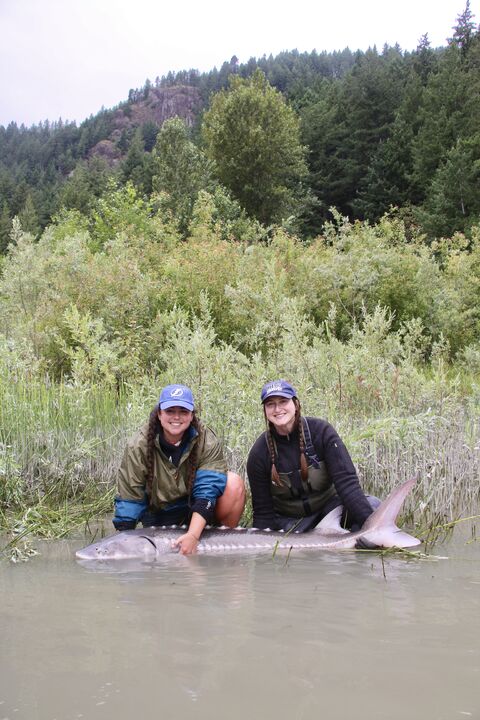
White Sturgeon Habitat Use

Using acoustic telemetry to characterize habitat use and movement patterns of white sturgeon in the Fraser River, informing recovery planning for this at-risk species.

In collaboration with the Lower Fraser Fisheries Alliance
TelemetryFraser RiverSpecies at Risk
02

Eulachon Migration & Predation

Investigating the migration timing and predation dynamics of eulachon in the Fraser River using acoustic telemetry, supporting management of this culturally and ecologically important forage fish.

In collaboration with the Lower Fraser Fisheries Alliance
TelemetryForage FishMigration
03

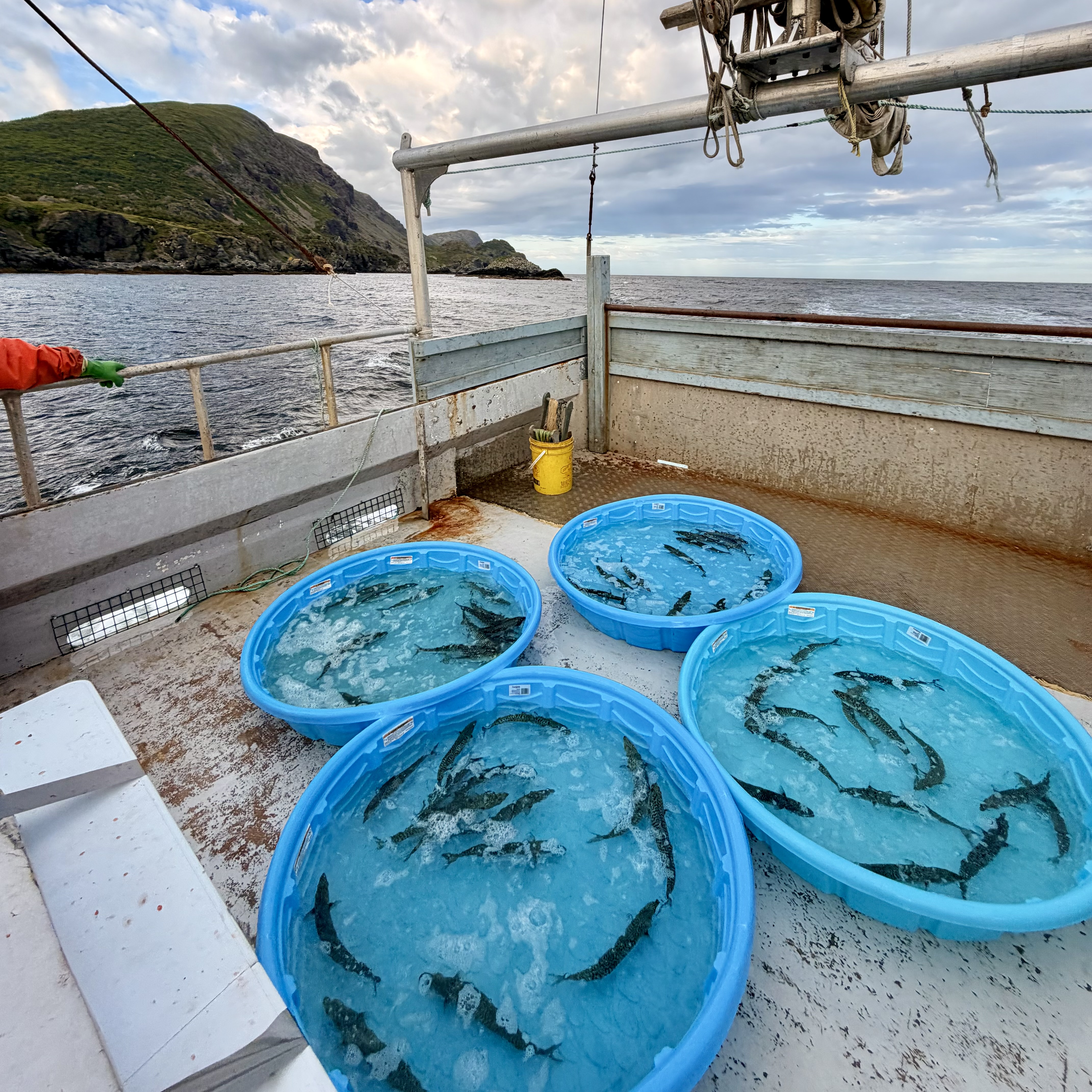
Atlantic Mackerel & Fisheries Management

Integrating movement ecology with sustainable fisheries management by tracking Atlantic mackerel, helping bridge the gap between fish behaviour and harvest policy for this commercially important species.

In collaboration with DFO and the Ocean Tracking Network
Movement EcologyFisheriesAtlantic Canada
04

Burbot Recovery — Upper Kootenay

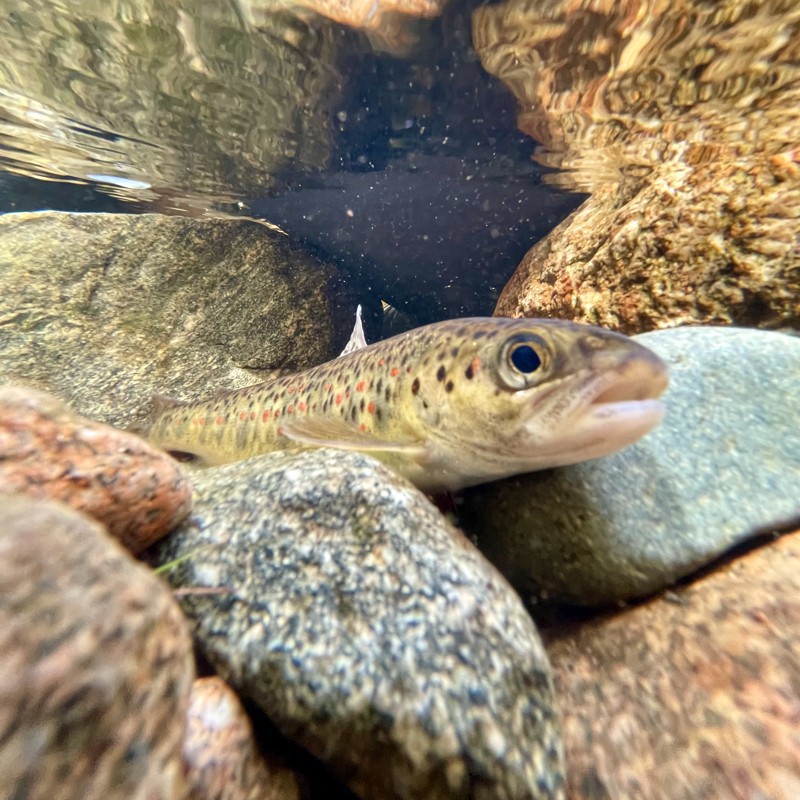
Tracking burbot movement and identifying critical habitat in the Upper Kootenay River system to support recovery of this species at risk across its range.

In collaboration with the Ktunaxa Nation and the BC Ministry of Water, Lands and Resource Stewardship
Recovery PlanningCritical HabitatIndigenous Partnership
05

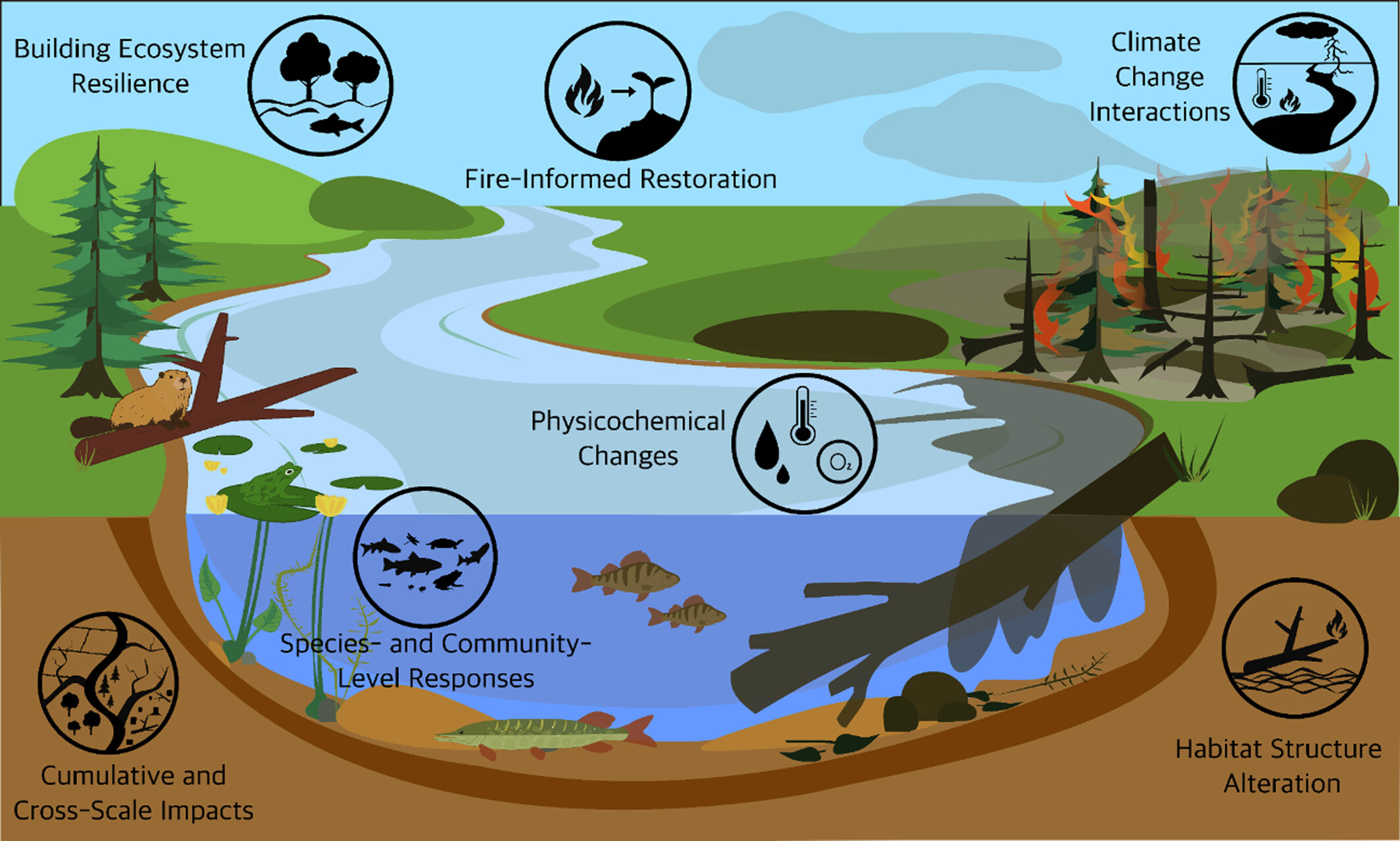
Wildfire Impacts on Aquatic Ecosystems

Examining how wildfire affects aquatic systems across multiple dimensions — fish physiology, community composition, and physical habitat — as fire disturbance intensifies with climate change across BC.

WildfireFish PhysiologyCommunity EcologyDisturbance
06

Evidence Synthesis for Biodiversity Conservation

Conducting systematic reviews and evidence syntheses to bridge the knowledge–action gap in biodiversity conservation, synthesizing the best available science for decision-makers worldwide.

Evidence SynthesisGlobalKnowledge–Action Gap

Funders & partners

Our research is made possible by the support of funders, government agencies, Indigenous Nations, and partner organizations who share our commitment to aquatic conservation.

MEOPAR
BRITISH COLUMBIA
Ocean Tracking Network
Ktunaxa Nation
Lower Fraser Fisheries Alliance
Liber Ero Fellowship Program
UNESCO
L’Oréal-UNESCO For Women in Science

Peer-reviewed work

Full citation metrics and PDFs are available on Google Scholar ↗. Lab members are underlined.
2026
Cooke, S.J., Lynch, A.J., Tickner, D., Abell, R., Piczak, M.L., Arthington, A.H., et al. (2026). A roadmap for implementing the emergency recovery plan for freshwater biodiversity. Environmental Reviews 34, 1-7.
Hlina, B.L., Rous, A.M., Piczak, M.L., Midwood, J.D., Brownscombe, J.W., et al. (2026). Seasonal effects on the acceleration of largemouth bass and Northern Pike in Toronto harbour. Animal Biotelemetry.
Bergman, J.N., Robichaud, J.A., McCutcheon, J., Booth, M.T., Campbell, B., et al. (2026). A Conceptual Framework and Methods for Studying the Connectivity of Fishes. Fish and Fisheries.
Algera, D.A., Piczak, M.L., Currie, W.J.S., Fahrig, L., Ricciardi, A., Rytwinski, T., et al. (2026). Consequences of Roads and Traffic-Related Stressors on Freshwater Biodiversity. Canadian Journal of Fisheries and Aquatic Sciences.
Lennox, R.J., Sergio, A.J.A., Roland, J.B., Mastrodimitropoulos, P.M.B., et al. (2026). Do invasive Brown Trout threaten Atlantic Salmon in North America?. North American Journal of Fisheries Management 46 (2), 287-299.
Currie, H.A.L., Kirkwood, A.E., Imhof, J.G., Piczak, M.L., Creed, I.F., Lapointe, N.W.R., et al. (2026). Urban planning to support the conservation of freshwater biodiversity. Journal of Environmental Planning and Management, 1-41.
Thompson, P.R., Bjordal, M., Piczak, M.L., Otto, S.P. (2026). The changing status of imperilled species in British Columbia. FACETS 11, 1-14.
Hanssen, E.M., Lennox, R.J., Vollset, K.W., Velle, G., van Dijk, J., Sortland, L.K., et al. (2026). Navigating challenges and opportunities in predator rewilding: perspectives from the recolonization of Eurasian otters (Lutra lutra) in Norway. Global Ecology and Conservation, e04066.
Brown, C.R., Piczak, M.L., Van Beveren, E., Batt, J., Lennox, R.J. (2026). Surgical tagging of Atlantic mackerel (Scomber scombrus): electroanaesthesia and survival in captivity and the field. Journal of Fish Biology.
2025
Lennox, R.J., Mastrodimitropoulos, P.M.B., Flávio, H., Cyr, K., Deng, Z.D., et al. (2025). How small can they go? Microelectronic tags for movement ecology of small aquatic organisms. Fisheries 50 (5), 209-218.
Lennox, R.J., Birnie‐Gauvin, K., Bate, C., Cooke, S.J., Haraldstad, T., Berhe, S., et al. (2025). Marine Fish Passage—Underappreciated Threats to Connectivity Within the Marine Environment. Marine Ecology 46 (1), e12859.
Brown, C.R., Sergio, A.J.A., Bate, C.S., Koopman, N., Roland, J.B., et al. (2025). A review of migratory Alosidae marine ecology in the northwest Atlantic. Journal of Fish Biology 106 (3), 677-695.
Griffin, L.P., Danylchuk, A.J., Casselberry, G.A., Brownscombe, J.W., et al. (2025). Habitat management and restoration as missing pieces in flats ecosystems conservation and the fishes and fisheries that they support. Fisheries 50 (7), 287-300.
Arseneault-Deraps, C., Davis, R., MacLeod, M.E.C., Wilson, E., Aubrey, B., et al. (2025). Best practices for producing actionable knowledge to inform fisheries management and conservation. Environmental Biology of Fishes 108 (12), 2143-2159.
Lynch, A.J., Bartley, D., Beard Jr, T.D., Borba, G., Cooke, S.J., Cowx, I.G., Elliott, V., et al. (2025). Opportunities to better integrate inland fish and fisheries in multilateral environmental agreements. Environmental Science & Policy 171, 104089.
Piczak, M.L., Lennox, R.J., Vollset, K.W., Preiszner, B., Erős, T., Bulté, G., et al. (2025). On the underappreciated role of scavengers in freshwater ecosystems. Bioscience 75 (6), 436-447.
Jac, R., Piczak, M.L., Van Beveren, E., Boldt, J.L., Brosset, P., Burbank, J., et al. (2025). Tracking the schools: a review of approaches to address knowledge gaps in the migratory ecology and habitat use of Canadian forage fishes. Reviews in Fish Biology and Fisheries 35 (3), 1751-1780.
Piczak, M.L., Rudstam, L.G., Collingsworth, P.D., Currie, W.J.S., Hoffman, J.C., et al. (2025). Harmful algal bloom effects on fish habitat use and community structure in western Lake Erie. Aquatic Ecosystem Health & Management 28 (1), 34-50.
Cooke, S.J., Silva, L.G.M., Harby, A., Bao, J., Enders, E.C., Boavida, I., Duan, M., et al. (2025). The role of ecohydraulics in addressing the freshwater biodiversity crisis. Water Biology and Security, 100475.
Robichaud, J.A., Haley, A.L., LaRochelle, L., Russo, J.D., Zhang, J., et al. (2025). Global trends in aquatic animal satellite telemetry studies. Environmental Reviews 33, 1-19.
Ludsin, S.A., Collingsworth, P.D., Currie, W.J.S., Hoffman, J.C., Munawar, M., et al. (2025). Harmful algal bloom impacts on foodweb structure in western Lake Erie. Aquatic Ecosystem Health & Management 28 (1), 5-33.
Piczak, M.L., Sergio, A.J.A., Lennox, R.J., Theysmeyer, T., Bowman, J.E., et al. (2025). Climate Change Impacts on the Phenology of Laurentian Great Lakes Fishes. Global Change Biology 31 (8), e70436.
Midwood, J.D., Blair, S.G., Boston, C.M., van der Lee, A.S., Piczak, M.L. (2025). Comparison of fish community metrics between natural and modified open coast shorelines in Lake Ontario. Journal of Great Lakes Research 51 (2), 102513.
Thompson, P.R., Bjordal, M., Piczak, M.L., Otto, S.P. (2025). The changing status of imperiled species in British Columbia over the last 15 years in the absence of a dedicated species at risk law. bioRxiv, 2025.09. 30.679339.
Piczak, M.L., Arseneault-Deraps, C., Shakoor, A., Stratton, G., Marty, J., et al. (2025). Making aquatic sciences more diverse, equitable, inclusive, and accessible: Perspectives on how individuals can take action in their professional practice. Journal of Great Lakes Research, 102666.
Piczak, M.L., Wilson, B.M., Bergeron, H., Black, M., Hawkes, J.P., Hardie, D.C., et al. (2025). Movement ecology of postspawning Alewife. Transactions of the American Fisheries Society 154 (5), 572-584.
2024
Cooke, S.J., Piczak, M.L., Singh, N.J., Åkesson, S., Ford, A.T., Chowdhury, S., et al. (2024). Animal migration in the Anthropocene: threats and mitigation options. Biological Reviews 99 (4), 1242-1260.
Robichaud, J.A., Piczak, M.L., LaRochelle, L., Reid, J.L., Chhor, A.D., Holder, P.E., et al. (2024). Interactive effects of fish handling and water temperature on reflex impairment of angled rainbow trout. Fisheries Research 274, 106993.
Piczak, M.L., Berhe, S., Knag, A.C., Lennox, R.J., Vollset, K.W., Portiss, R., et al. (2024). Evaluating ecological restoration in urban ecosystems with acoustic telemetry: marine and freshwater case studies. Urban Ecosystems 27 (6), 2135-2150.
Piczak, M.L., Robichaud, J.A., Morrison, P., Rous, A.M., Mulder, I.M., Hill, C.J., et al. (2024). Structured decision making remains underused in ecological restoration despite opportunities. Environment Systems and Decisions 44 (1), 1-15.
Piczak, M., Theis, S., Portiss, R., Ruppert, L.W., Jonathan, Midwood, J., Cooke, S. (2024). Evaluating the efficacy of ecological restoration of fish habitat in coastal waters of Lake Ontario. Science of the Total Environment, 176088.
Piczak, M.L., Binder, T.R., Cooke, S.J. (2024). The biology of fish migration. Encyclopedia of Fish Physiology (Second Edition), 654-663.
Bower, S.D., Jeanson, A., Robichaud, J.A., Piczak, M.L., Young, N., Clarke, A., et al. (2024). Predicting differences in angler beliefs, threat perceptions, and actions in British Columbia's rainbow trout and steelhead fisheries. Environmental Challenges 15, 100868.
Piczak, M.L. (2024). Advancing restoration ecology for freshwater fish habitat of the Laurentian Great Lakes. Carleton University.
2023
Piczak, M.L., Perry, D., Cooke, S.J., Harrison, I., Benitez, S., Koning, A., Peng, L., et al. (2023). Protecting and restoring habitats to benefit freshwater biodiversity. Environmental Reviews 32 (3), 438-456.
Haley, A.L., Lemieux, T.A., Piczak, M.L., Karau, S., D’Addario, A., Irvine, R.L., et al. (2023). On the effectiveness of public awareness campaigns for the management of invasive species. Environmental Conservation 50 (4), 202-211.
Cooke, S.J., Auld, H.L., Birnie-Gauvin, K., Elvidge, C.K., Piczak, M.L., et al. (2023). On the relevance of animal behavior to the management and conservation of fishes and fisheries. Environmental Biology of Fishes 106 (5), 785-810.
Cooke, S.J., Piczak, M.L., Nyboer, E.A., Michalski, F., Bennett, A., Koning, A.A., et al. (2023). Managing exploitation of freshwater species and aggregates to protect and restore freshwater biodiversity. Environmental Reviews 32 (3), 414-437.
Piczak, M.L., Bzonek, P.A., Pratt, T.C., Sorensen, P.W., Stuart, I.G., Theÿsmeÿer, T., et al. (2023). Controlling common carp (Cyprinus carpio): barriers, biological traits, and selective fragmentation. Biological invasions 25 (5), 1317-1338.
Ednie, G., Kapoor, T., Koppel, O., Piczak, M.L., Reid, J.L., Murdoch, A.D., Cook, C.N., et al. (2023). Foresight science in conservation: Tools, barriers, and mainstreaming opportunities. Ambio 52 (2), 411-424.
Piczak, M.L., Brooks, J.L., Boston, C., Doka, S.E., Portiss, R., Lapointe, N.W.R., et al. (2023). Spatial ecology of non-native common carp (Cyprinus carpio) in Lake Ontario with implications for management. Aquatic Sciences 85 (1), 20.
Cooke, S.J., Piczak, M.L., Vermaire, J.C., Kirkwood, A.E. (2023). On the troubling use of plastic ‘habitat’structures for fish in freshwater ecosystems–or–when restoration is just littering. Facets 8 (1), 1-19.
Etherington, B.S., Piczak, M.L., LaRochelle, L., Gallagher, A.J., Cooke, S.J. (2023). Effects of anthropogenic activities on scavenger communities in freshwater riparian zones of eastern Ontario, Canada. Aquatic Ecology 57 (1), 115-125.
Piczak, M.L., Theÿsmeÿer, T., Doka, S.E., Midwood, J.D., Cooke, S.J. (2023). Knowledge of spawning phenology may enhance selective barrier passage for wetland fishes. Wetlands 43 (6), 72.
Larocque, S.M., Piczak, M.L., Turner, N.A., Boston, C.M., Midwood, J.D. (2023). Mark-recapture Population Estimates of Piscivores in Hamilton Harbour, Area of Concern. Fisheries and Oceans Canada.
Piczak, M., Cooke, S., Adams, A., Griffin, L., Danylchuk, A., Brownscombe, J. (2023). Permit (Trachinotus falcatus) fishing quality and conservation threats in the Florida Keys: A recreational angler and fishing guide survey. Gulf and Caribbean Research 34, 1-12.
Fitzpatrick, M.A.J., Bowen, K.L., Niblock, H.A., Piczak, M., Munawar, M., et al. (2023). Assessment of Beneficial Use Impairment# 13, degradation of phytoplankton and zooplankton populations, in the Canadian Waters of the Detroit River Area of Concern. Great Lakes Laboratory for Fisheries and Aquatic Sciences, Ontario and ….
Piczak, M.L., Cooke, S., Midwood, J.D. (2023). Towards effective ecological restoration: Knowledge co-production with Aquatic Habitat Toronto. IAGLR’s 66th Annual Conference on Great Lakes Research.
2022
Cooke, S.J., Bergman, J.N., Twardek, W.M., Piczak, M.L., Casselberry, G.A., et al. (2022). The movement ecology of fishes. Journal of Fish Biology 101 (4), 756-779.
Cooke, S.J., Frempong‐Manso, A., Piczak, M.L., Karathanou, E., Clavijo, C., et al. (2022). A freshwater perspective on the United Nations decade for ecosystem restoration. Conservation Science and Practice 4 (11), e12787.
Piczak, M.L., Anderton, R., Cartwright, L.A., Little, D., MacPherson, G., Matos, L., et al. (2022). Towards effective ecological restoration: Investigating knowledge co‐production on fish–habitat relationships with Aquatic Habitat Toronto. Ecological Solutions and Evidence 3 (4), e12187.
Piczak, M.L., Kadykalo, A.N., Cooke, S.J., Young, N. (2022). Natural resource managers use and value western-based science, but barriers to access persist. Environmental Management 69 (1), 17-30.
Piczak, M.L., Brooks, J.L., Bard, B., Bihun, C.J., Howarth, A., Jeanson, A.L., et al. (2022). Revisiting the challenge: perspectives on Canada’s freshwater fisheries policies three decades after the Pearse Report. Facets.
2021
Cooke, S.J., Soroye, P., Brooks, J.L., Clarke, J., Jeanson, A.L., Berberi, A., et al. (2021). Ten considerations for conservation policy makers for the post-COVID-19 transition. Environmental Reviews 29 (2), 111-118.
2019
Piczak, M.L., Markle, C.E., Chow-Fraser, P. (2019). Decades of Road Mortality Cause Severe Decline in a Common Snapping Turtle (Chelydra serpentina) Population from an Urbanized Wetland. Chelonian Conservation and Biology: Celebrating 25 Years as the World's ….
McKenzie, C.M., Piczak, M.L., Snyman, H.N., Joseph, T., Theijin, C., et al. (2019). First report of ranavirus mortality in a common snapping turtle Chelydra serpentina. Diseases of Aquatic Organisms 132, 221-227.
Piczak, M.L., Chow-Fraser, P. (2019). Assessment of critical habitat for common snapping turtles (Chelydra serpentina) in an urbanized coastal wetland. Urban Ecosystems 22 (3), 525-537.
2018
Piczak, M. (2018). Using Spatial Approaches to Examine Threats Facing Common Snapping Turtles (Chelydra Serpentina) in the Urbanized Cootes Paradise Marsh, Lake Ontario.
Principal Investigator

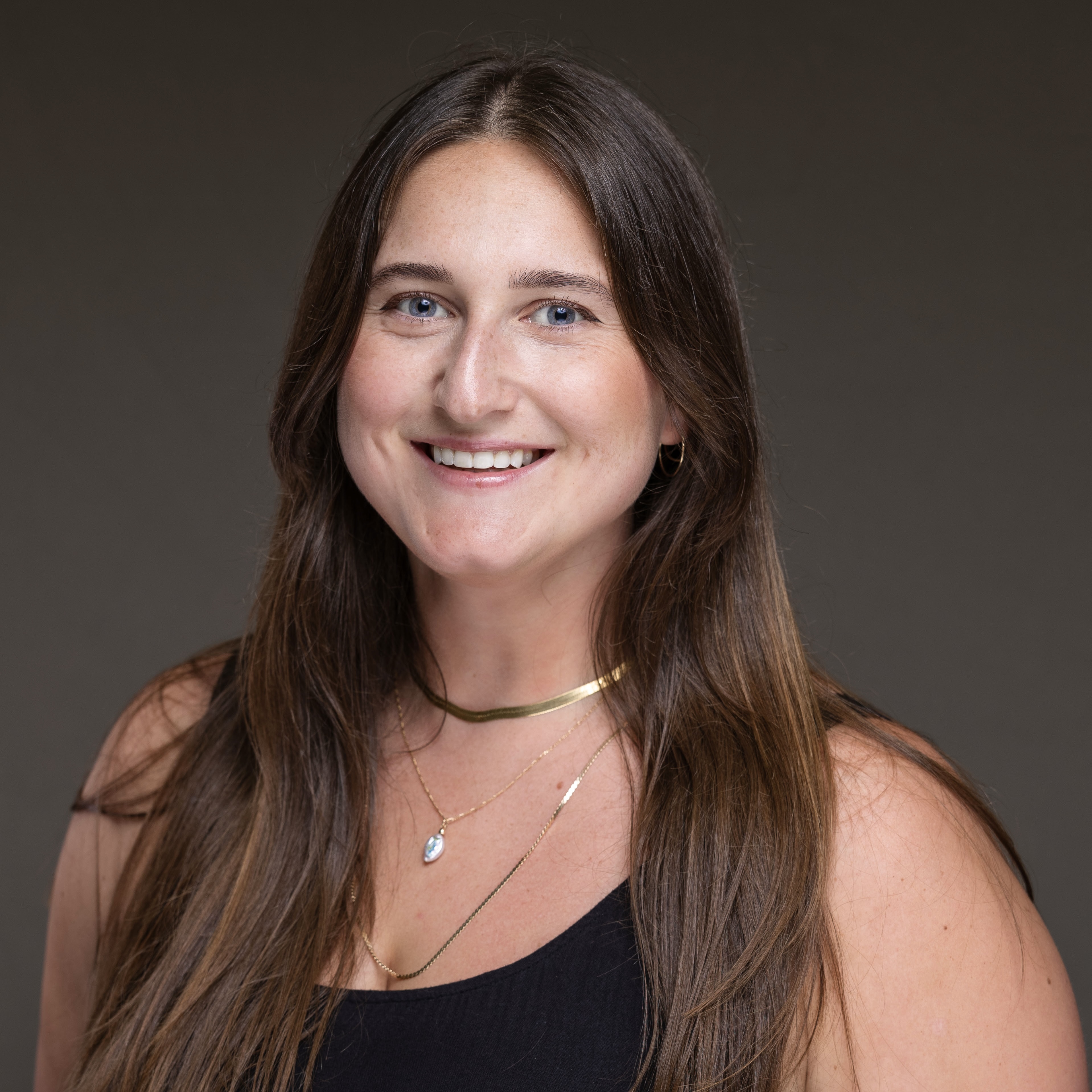
Dr. Morgan Piczak

Assistant Professor, Department of Forest & Conservation Sciences
Faculty of Forestry & Environmental Stewardship, University of British Columbia
Room 3601, Forestry Sciences Centre · 2424 Main Mall, Vancouver BC · morgan.piczak [at] ubc.ca
Dr. Morgan Piczak
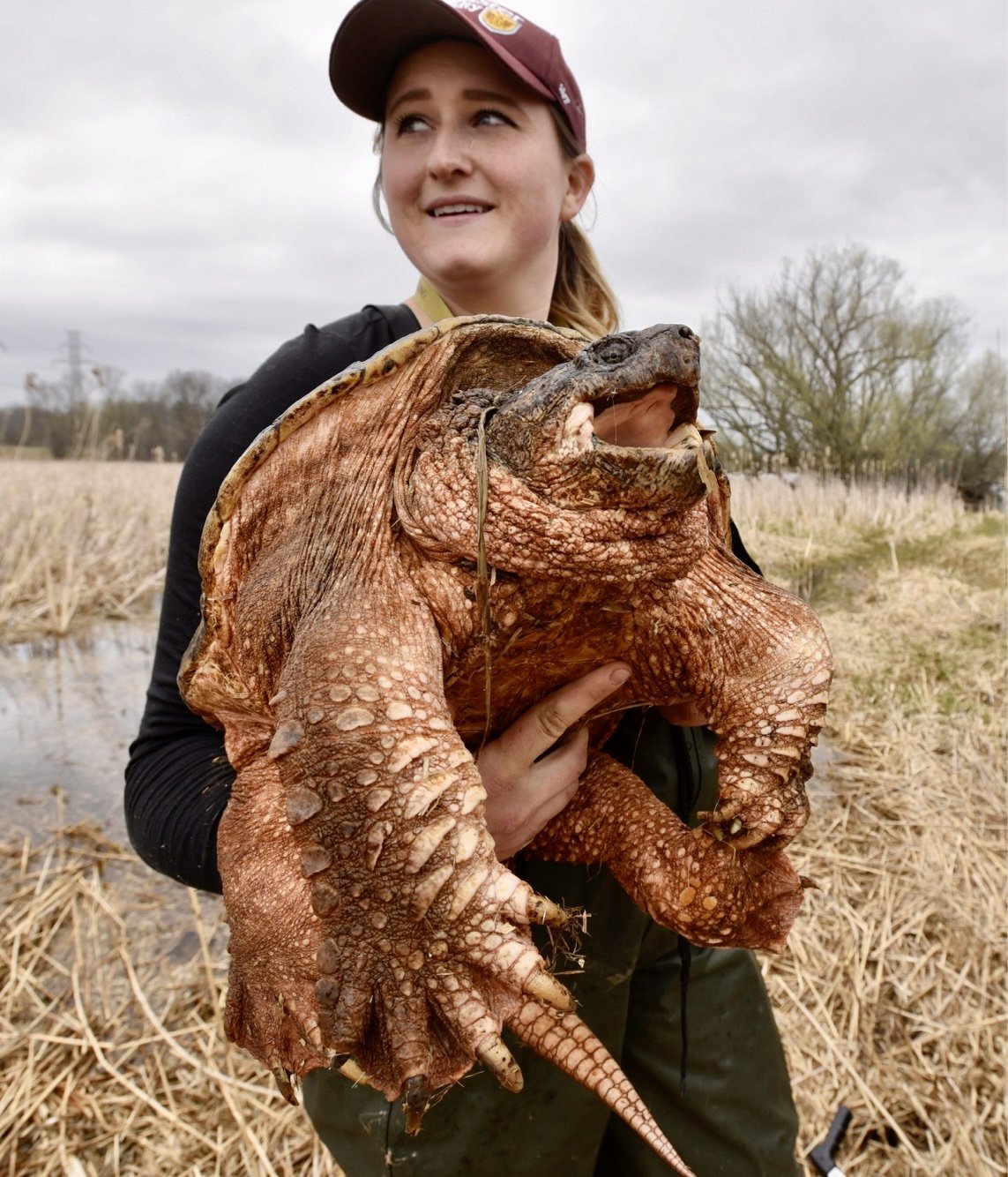
Morgan holding a snapping turtle in the field
2016–2018
MSc Biology · McMaster University

Morgan's master's research focused on the ecology and conservation of snapping turtles (Chelydra serpentina) in the wetlands of southern Ontario. Using radio telemetry and mark-recapture, she tracked movement, habitat use, and population dynamics in Cootes Paradise — a recovering urban wetland adjacent to Hamilton Harbour. This work involved close collaboration with the Royal Botanical Gardens and led to the first confirmed detection of ranavirus in a Canadian turtle population, generating early media attention and Morgan's first experience translating research for public audiences.

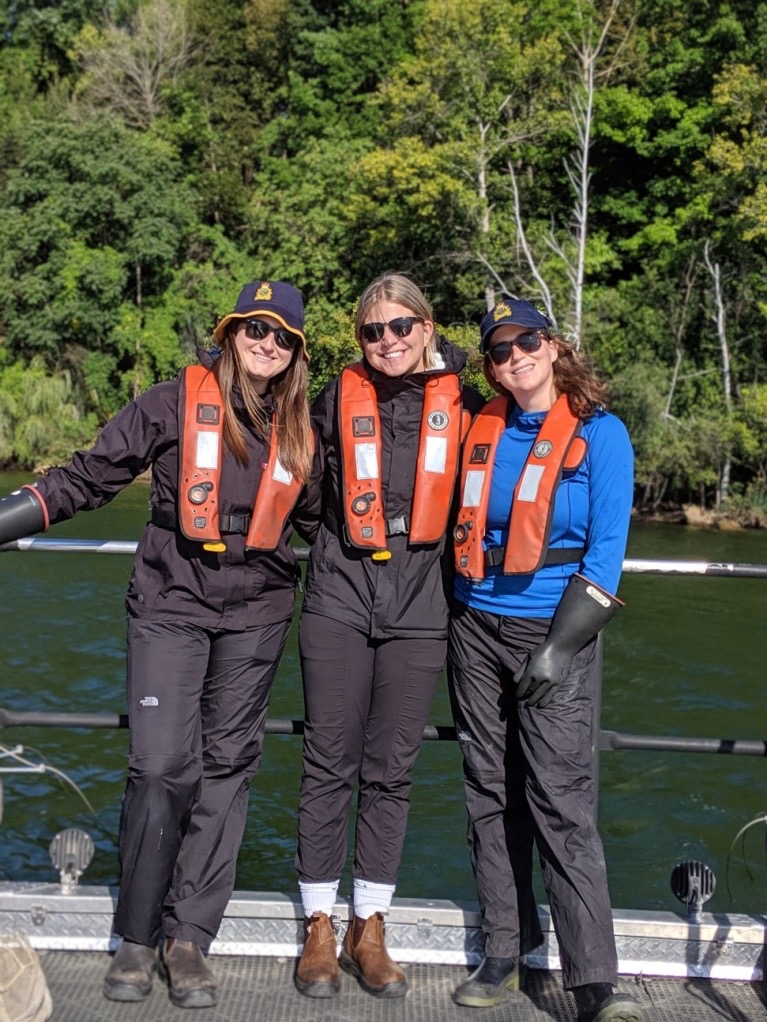
Morgan with DFO Great Lakes Lab colleagues
2018–2020
Research Technician · Fisheries and Oceans Canada
Great Lakes Laboratory for Fisheries and Aquatic Sciences

After her MSc, Morgan worked as a Research Technician at DFO's Great Lakes Lab in Burlington, Ontario. She contributed to studies of fish habitat use in Lake Ontario and the ecological impacts of harmful algal blooms in Lake Erie. This role deepened her expertise in acoustic telemetry, large-scale field ecology, and applied fisheries science — and cemented her interest in using movement ecology to address conservation challenges at the interface of science and management.

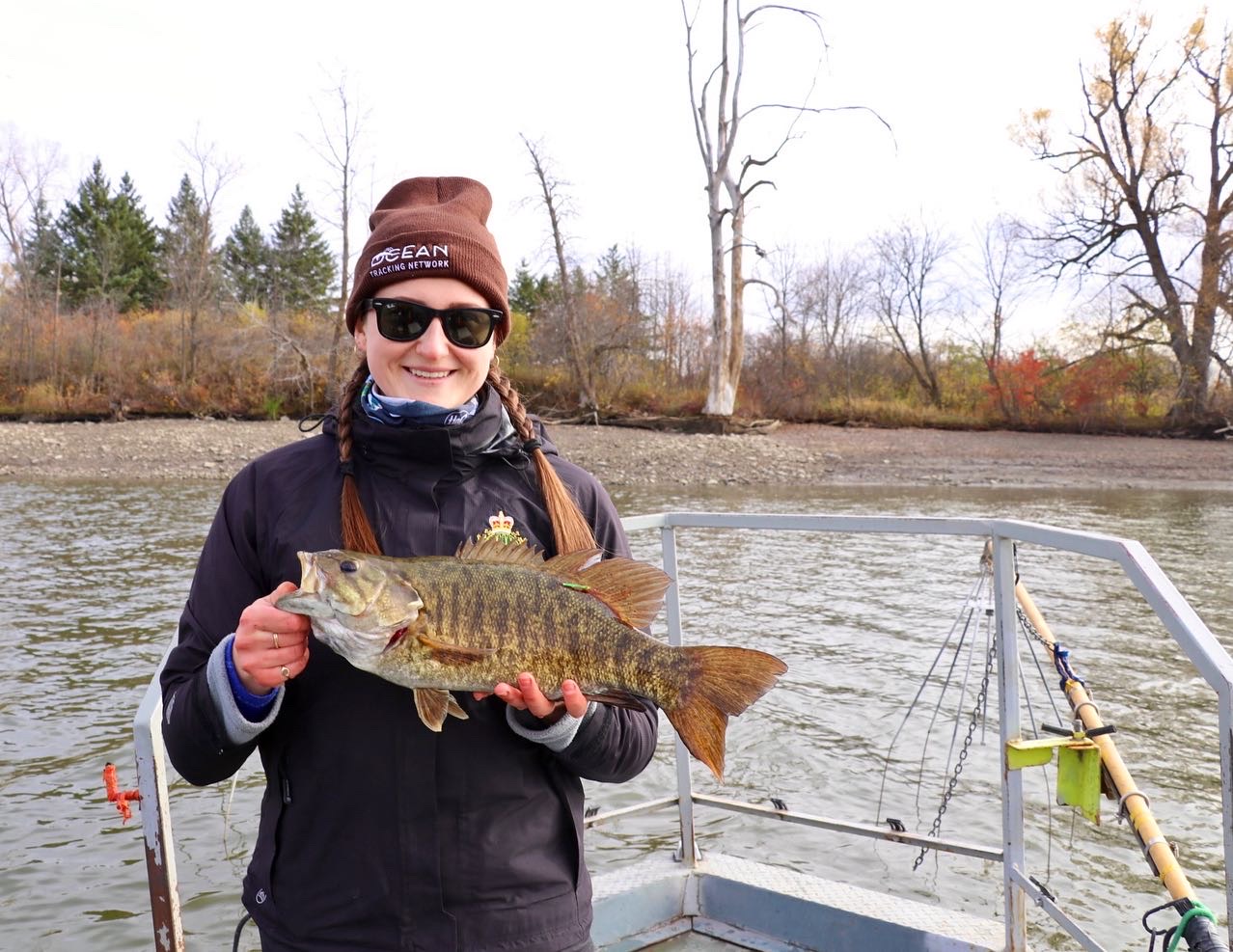
Morgan during PhD fieldwork holding a smallmouth bass
2020–2024
PhD Biology · Carleton University & Fisheries and Oceans Canada

Morgan's doctoral research examined the movement ecology of freshwater fishes in relation to invasive species and ecological restoration in urban aquatic systems, jointly affiliated with Carleton University and DFO's Great Lakes Lab. Her PhD included a research visit to NORCE Research in Bergen, Norway, where she worked alongside Norwegian scientists on acoustic telemetry studies of Atlantic salmon and Atlantic cod — broadening her perspective to marine and anadromous species and sharpening her integrative approach to aquatic conservation. Her PhD was supported by an NSERC Postgraduate Scholarship — Doctoral (PGS-D).

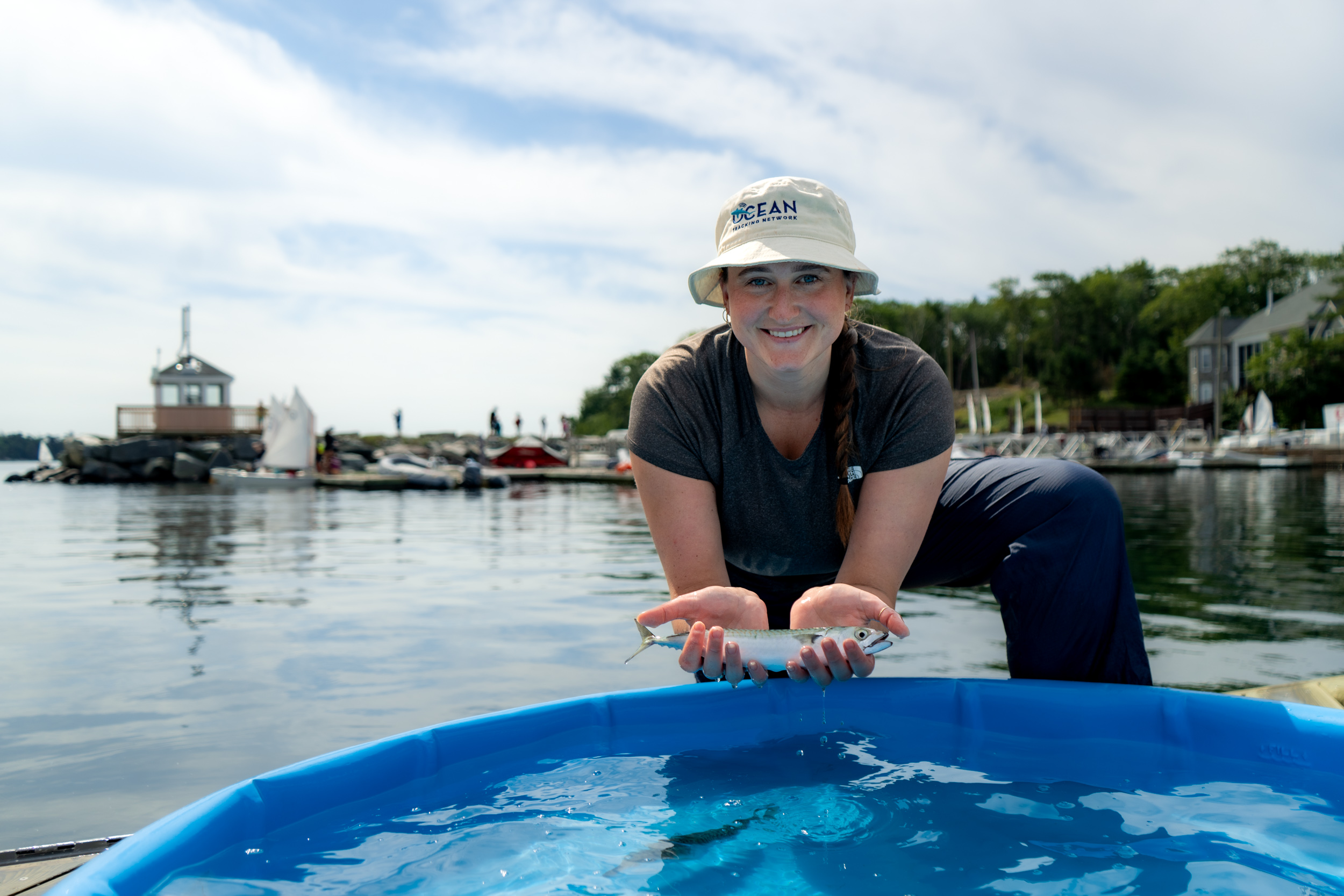
Morgan tagging a mackerel at a waterfront dock with an Ocean Tracking Network hat
2024–2025
Postdoctoral Fellow · Dalhousie University
Liber Ero Fellow & NSERC Postdoctoral Fellow
In collaboration with DFO and the Ocean Tracking Network

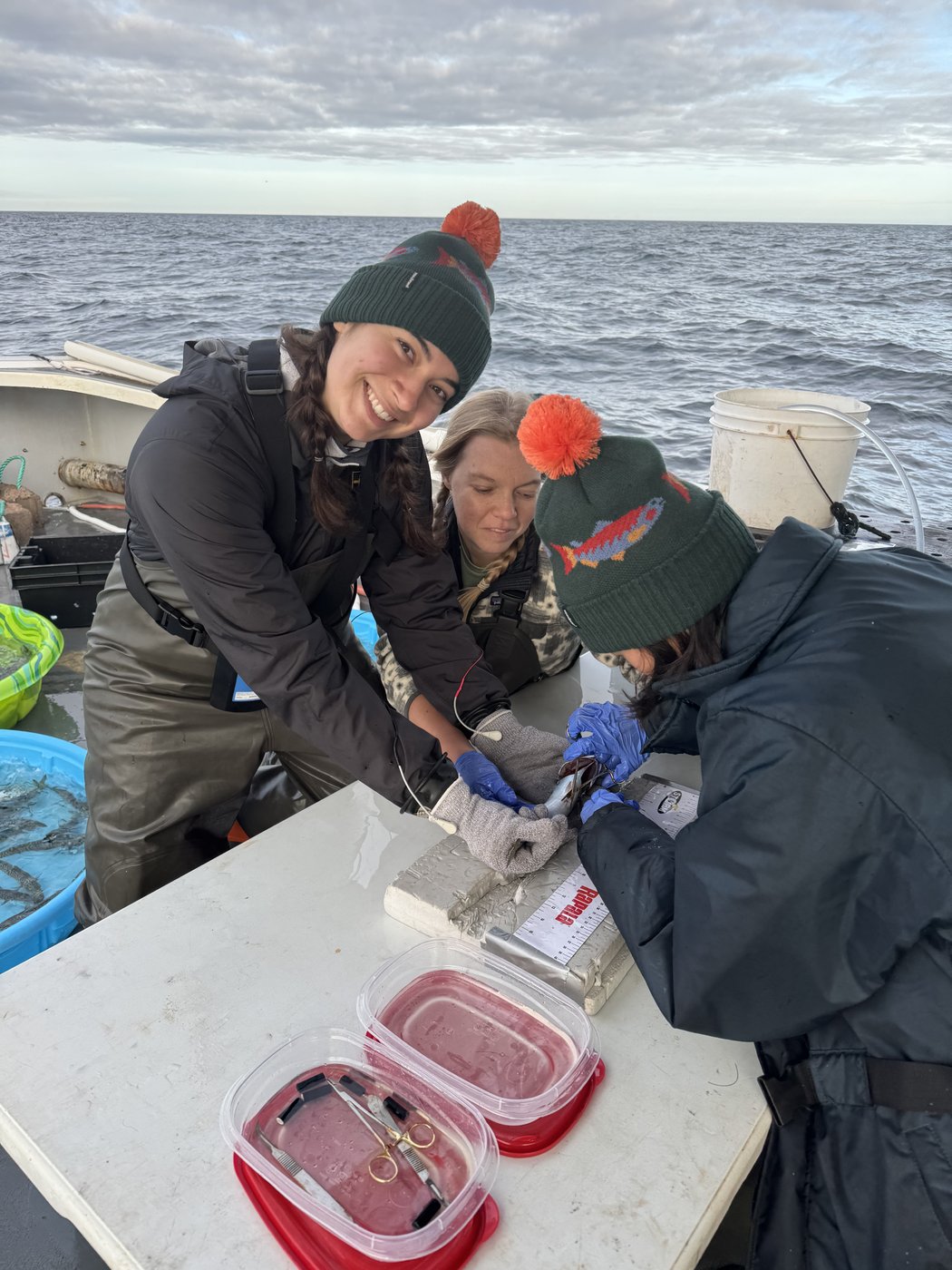
As a Liber Ero Fellow and NSERC Postdoctoral Fellow at Dalhousie University, Morgan led research on the movement ecology and fisheries management of Atlantic mackerel — a commercially important species facing steep population declines. Working with DFO and the Ocean Tracking Network, she helped develop acoustic telemetry-based approaches to understand mackerel migration and inform sustainable harvest strategies, while deepening her commitment to co-producing knowledge with fisheries managers and coastal communities.

Current Position
2026–Current
Assistant Professor · UBC Faculty of Forestry & Environmental Stewardship
Department of Forest and Conservation Sciences

Morgan joined UBC in 2026, where she established the Aquatic Conservation Lab. Her research program focuses on conservation science for aquatic ecosystems in the face of anthropogenic stressors — including habitat degradation, invasive species, climate change, and wildfire. She works across aquatic ecosystem types and species, from coastal BC to Atlantic Canada, always in close partnership with Indigenous communities, government agencies, and other knowledge holders.

Opportunities in the lab →
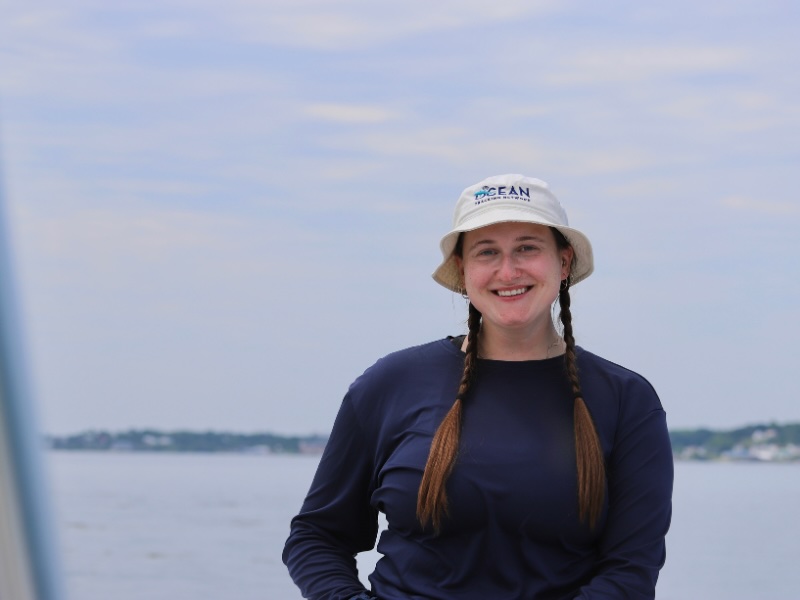
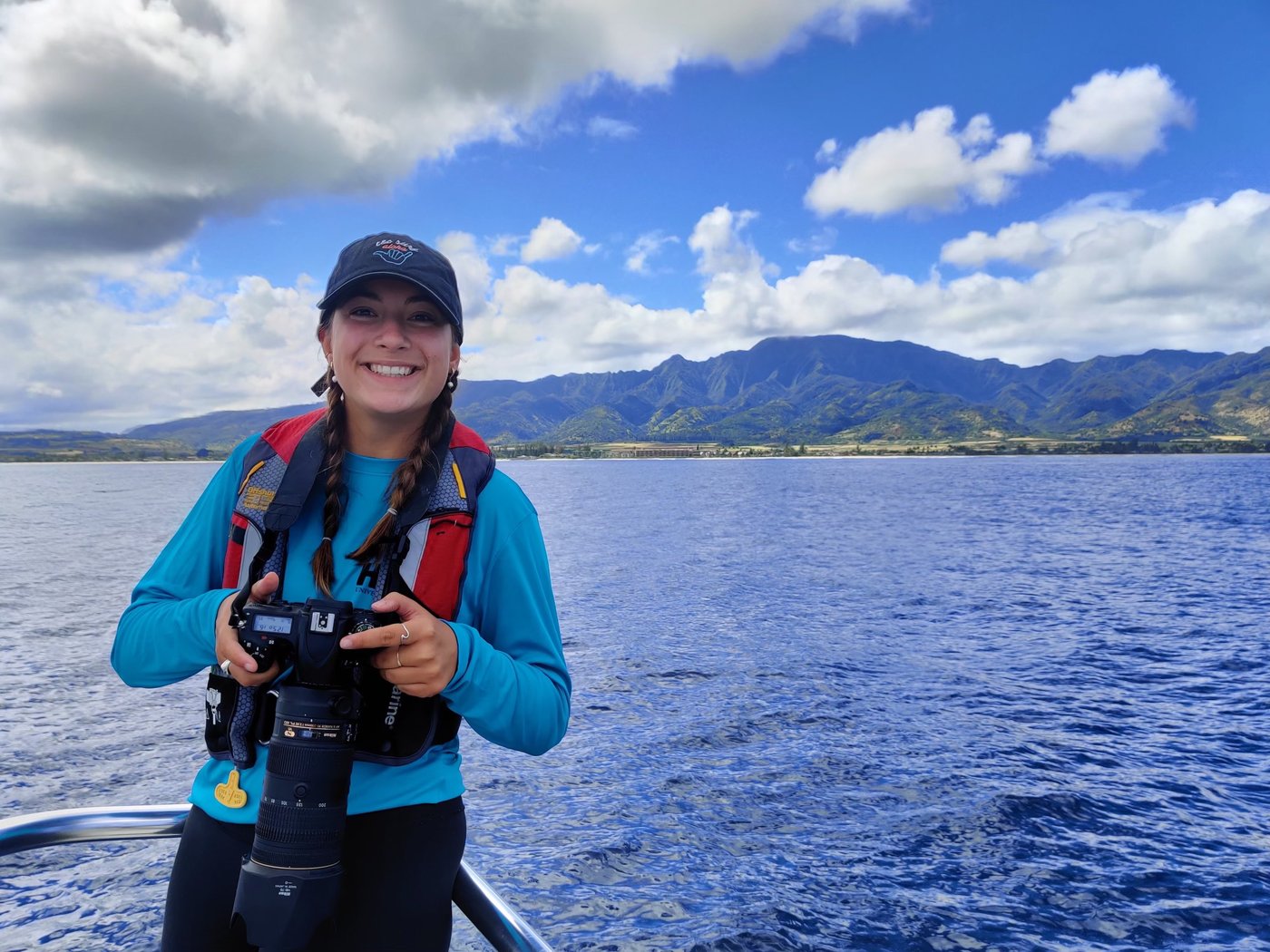
Morgan Piczak in the field, wearing an OTN bucket hat

Lab Members

Current Members
Previous Members

Interested in joining?

We are actively recruiting MSc and PhD students and welcome enquiries from prospective postdoctoral fellows and undergraduate researchers.

Media contributions

UBC Faculty of Forestry & Environmental Stewardship
Feature 2026

In the Spotlight: Morgan Piczak

UBC Faculty of Forestry & Environmental Stewardship
CBC News · Coverage of Thompson, Bjordal, Piczak & Otto (2026) in <em>FACETS</em>
Interview 2026

Few improvements for BC's endangered wildlife over 15 years

CBC News · Coverage of Thompson, Bjordal, Piczak & Otto (2026) in FACETS
The Hamilton Spectator
Op-ed 2025

Ontario's Environment Is Not For Sale

The Hamilton Spectator
Interview 2017

Mac researchers keep up with local snapping turtles

The Hamilton Spectator

Latest updates

Morgan Piczak and Ava Sergio at the PICES meeting in La Paz, Mexico
May 2026

Lab travels to PICES 2026 in La Paz, Mexico

Morgan and Ava attended the PICES annual meeting in La Paz, Mexico (May 4–8) to present findings from work using acoustic telemetry to examine the movement ecology of forage fish — including Atlantic mackerel, eulachon, Atlantic herring, and alewife. A great week of conversations on small pelagic species, telemetry methods, and trans-Pacific collaboration.

Oscar Notman-Grobler
May 2026

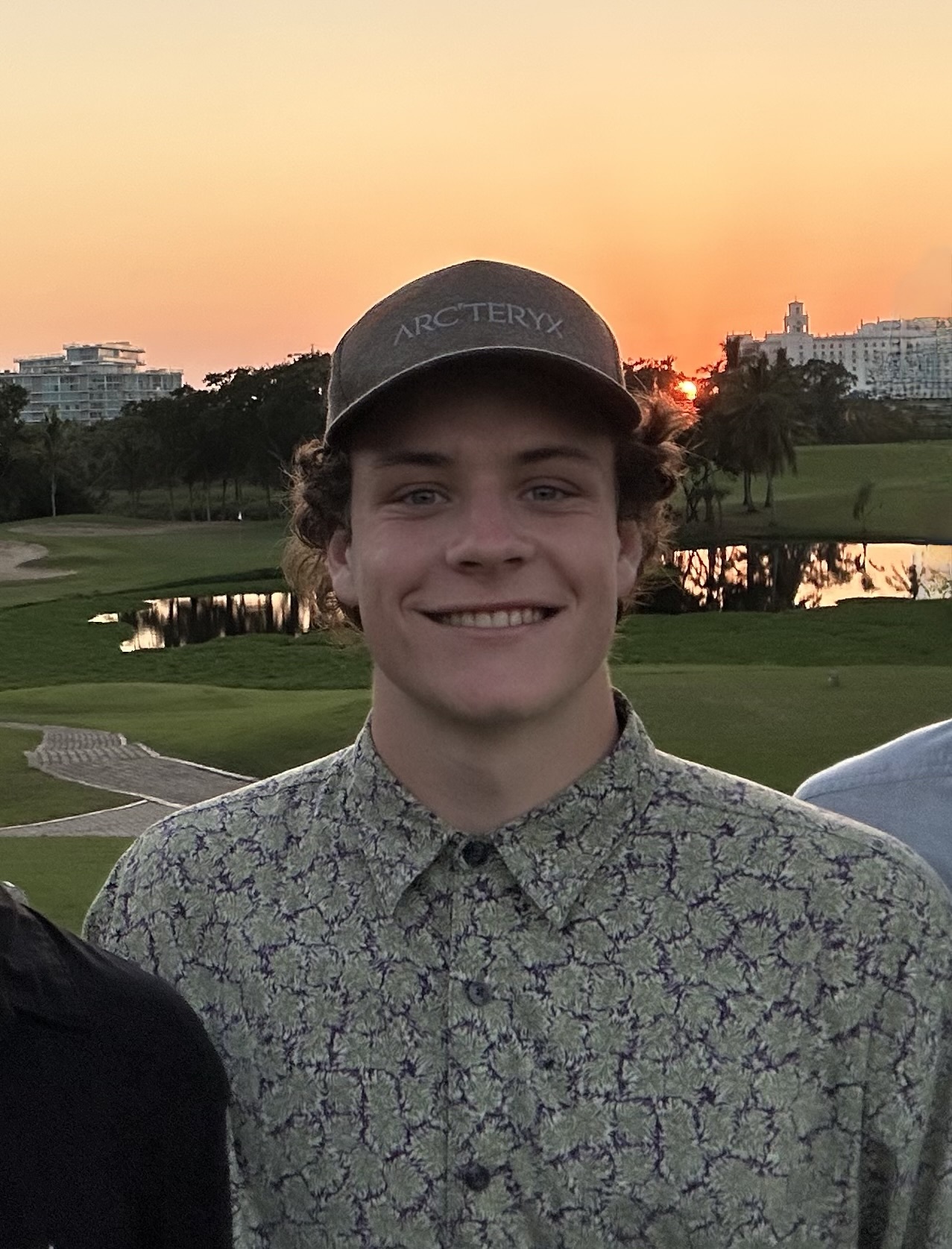
Oscar Notman-Grobler joins the lab as our first MSc student

We are delighted to welcome Oscar as the lab's inaugural MSc student. Supported by an NSERC Canada Graduate Scholarship, Oscar will work in partnership with the Lower Fraser Fisheries Alliance (LFFA) to study juvenile White Sturgeon movement, habitat use, and early-life feeding in the lower Fraser River using acoustic telemetry.

Read Oscar's profile

Opportunities

We are a growing lab and welcome motivated students and collaborators who are passionate about aquatic conservation. We value curiosity, rigour, and a commitment to research that matters beyond the lab.

Graduate Students (MSc & PhD)

We are actively recruiting. Ideal candidates have a background in ecology or a related field and a strong interest in movement ecology, aquatic conservation, or wildfire–aquatic ecosystem interactions. Experience with fieldwork or quantitative methods is an asset. We work together to craft competitive NSERC applications. Students apply through the UBC Faculty of Forestry graduate program ↗.

Postdoctoral Fellows

We welcome enquiries from prospective postdocs interested in aquatic conservation and movement ecology. We actively support fellows in applying for independent funding including NSERC PDF, Killam Postdoctoral, and Liber Ero fellowships.

Undergraduate Researchers

Enthusiastic undergraduates are welcome to get involved through volunteer positions, directed studies, or UBC Work Learn ↗ and NSERC USRA ↗ opportunities. If you are interested, reach out with a brief note about your background and what draws you to aquatic conservation.

Collaborators & Partners

We welcome partnerships with Indigenous communities, government agencies, NGOs, and other researchers. Our work is built on co-production and we are always interested in applied projects that benefit aquatic biodiversity and the people who depend on it.

How to apply

Send an email with your CV, a statement of interest describing why you want to join the lab and how your goals align with our research, a summary of your relevant experience, and unofficial transcripts.

Room 3601, Forestry Sciences Centre · 2424 Main Mall, Vancouver BC
← Back to Lab Members
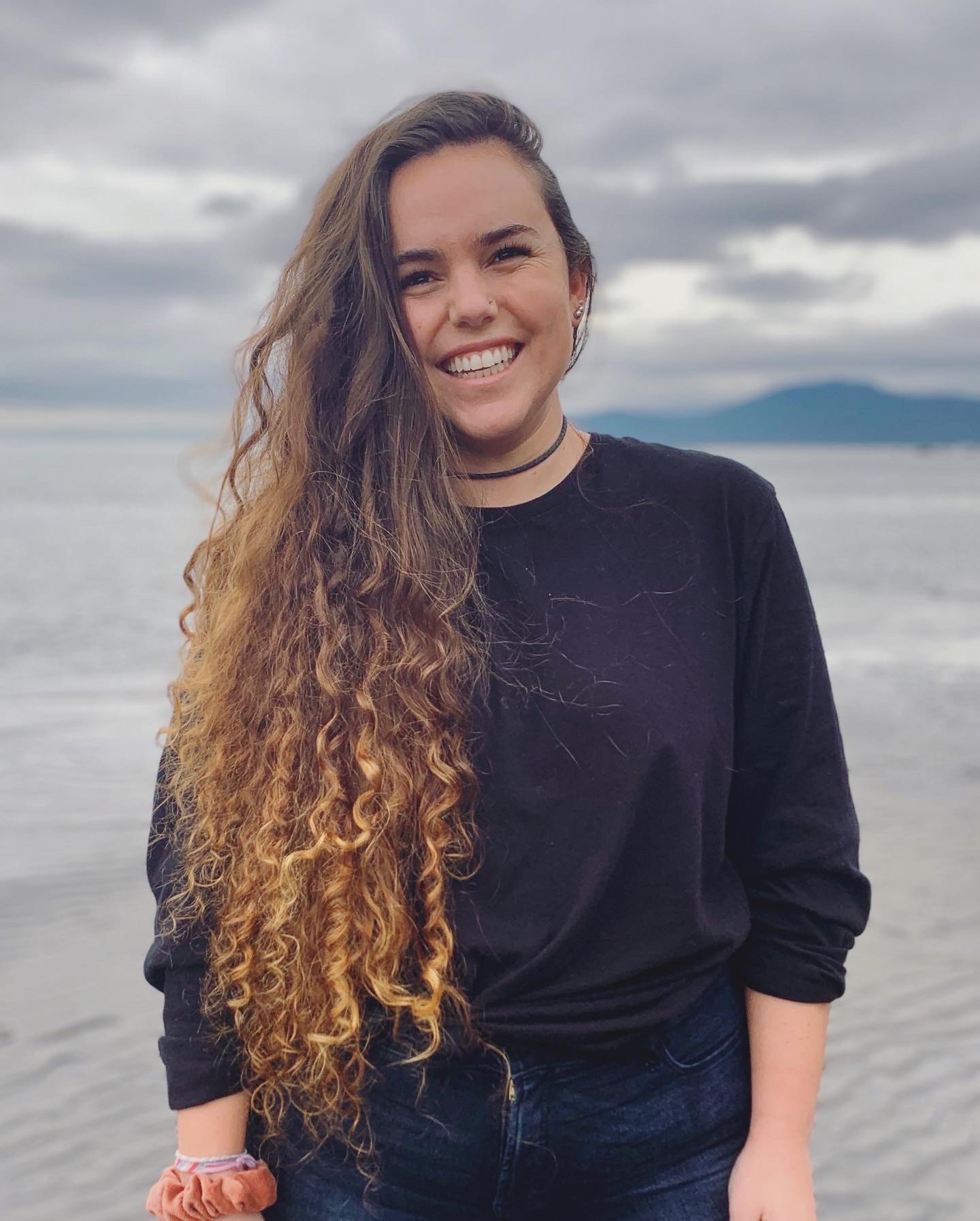
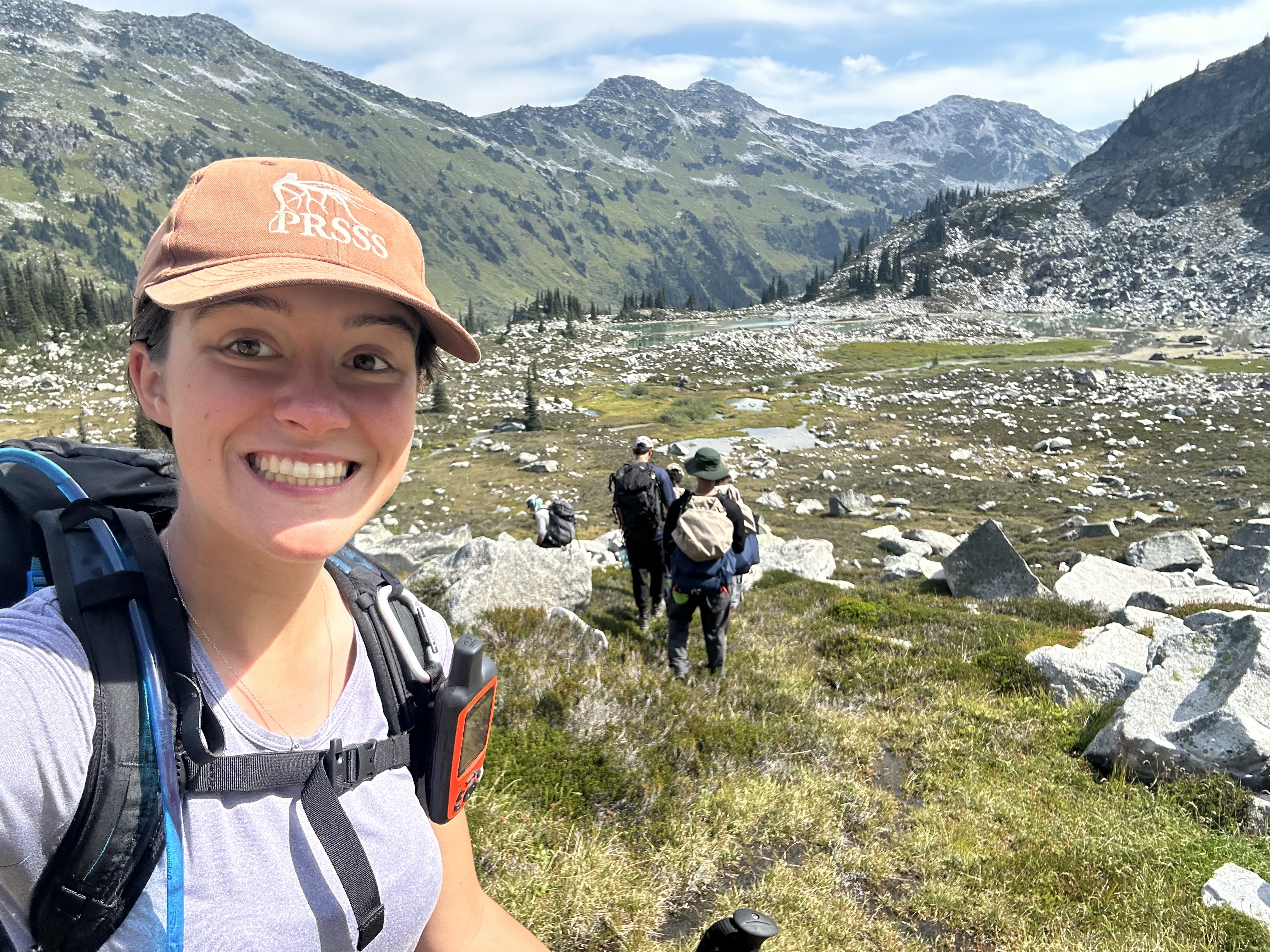
Ava Sergio in the field
PhD Student

Ava Sergio

Focused on the movement ecology and management of the collapsed Northwest Atlantic mackerel (Scomber scombrus) stock. Ava's research bridges acoustic telemetry and fisheries science to support sustainable harvest decisions.

PhD research

Focused on the movement ecology and management of the collapsed Northwest Atlantic mackerel (Scomber scombrus) stock. Ava's research bridges acoustic telemetry and fisheries science to support sustainable harvest decisions.

Ava is assessing the movement ecology of the collapsed Atlantic mackerel stock across the Northwest Atlantic Ocean. In 2022, the closure of commercial and bait fisheries in Canadian waters highlighted key unknowns regarding the species' movements, spawning grounds, and drivers of distribution. Her research aims to address these unknowns using acoustic telemetry and spatiotemporal modelling of nearly 2,000 tagged fish. This work represents the most extensive study of Atlantic mackerel movement ecology to date and aims to inform the sustainable reopening of commercial and bait fisheries.

Previous research experience

Ava completed her BSc and MSc in Marine Biology at Dalhousie University in Halifax, Nova Scotia. During her BSc, Ava held research positions as a field technician in the Marine Mammal Research Program (MMRP) at the University of Hawaii and as a molecular biology research assistant in the Aquatic Biotechnology Lab at Fisheries and Oceans Canada (DFO).

Ava completed her master's thesis under the supervision of Dr. Robert Lennox, the Scientific Director of the Ocean Tracking Network (OTN). Her research focused on the use of acoustic telemetry to study the movement ecology of one of Canada's most endangered fishes, Atlantic whitefish (Coregonus huntsmani), and invasive predators in Nova Scotia. Throughout her MSc, Ava also led two pilot studies and provided field and analytical support for five other telemetry studies on species such as Atlantic salmon, brook trout, snapping turtles, and brown trout across Atlantic Canada.

Ava has also travelled to Svalbard, Norway to contribute to an ongoing acoustic telemetry study of Atlantic salmon distribution in the Arctic Ocean and stomach content analysis with the Norwegian Research Centre (NORCE) and the University of Bergen, Norway.

Research interests

Ava is interested in research that improves the conservation of marine fishes and other megafauna through the use of telemetry to study their movement ecology. She is particularly interested in determining how changes in resource availability and environmental conditions impact the seasonal distribution and movement pathways of migratory species.

Scholarships supporting this work

Ava's PhD research is supported by the University of British Columbia Four Year Doctoral Fellowship (4YF) and the Natural Sciences and Engineering Research Council of Canada (NSERC) Canada Graduate Scholarship – Doctoral Program (CGS D).

Connect

Publications

Lennox, R.J., Sergio, A.J.A., Roland, J.B., Mastrodimitropoulos, P.M.B., et al. (2026). Do invasive Brown Trout threaten Atlantic Salmon in North America?. North American Journal of Fisheries Management 46 (2), 287-299.
Sergio, A. (2026). Movement ecology of Critically Endangered Atlantic whitefish (Coregonus huntsmani) and invasive predators in Nova Scotia. MSc Thesis, Dalhousie University.
Brown, C.R., Sergio, A.J.A., Bate, C.S., Koopman, N., Roland, J.B., et al. (2025). A review of migratory Alosidae marine ecology in the northwest Atlantic. Journal of Fish Biology 106 (3), 677-695.
Piczak, M.L., Sergio, A.J.A., Lennox, R.J., Theysmeyer, T., Bowman, J.E., et al. (2025). Climate Change Impacts on the Phenology of Laurentian Great Lakes Fishes. Global Change Biology 31 (8), e70436.
Lennox, R.J., Davidsen, J.G., Eldøy, S.H., Gillanders, B.M., Pulg, U., Thiemer, K., et al. (2025). Hydropower Effluent as a Marine Pollutant; Impacts of River Regulation on Estuarine and Coastal Ecology. River Research and Applications 41 (9), 1789-1802.
← Back to Lab Members
Oscar Notman-Grobler
MSc Student

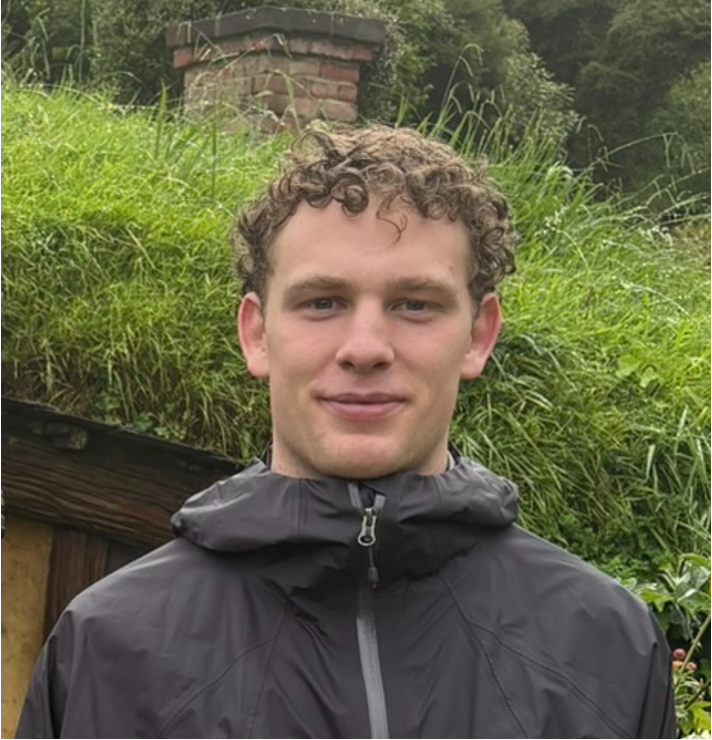
Oscar Notman-Grobler

Assessing juvenile White Sturgeon movements, habitat use, and early-life feeding in the lower Fraser River using acoustic telemetry.

Thesis project

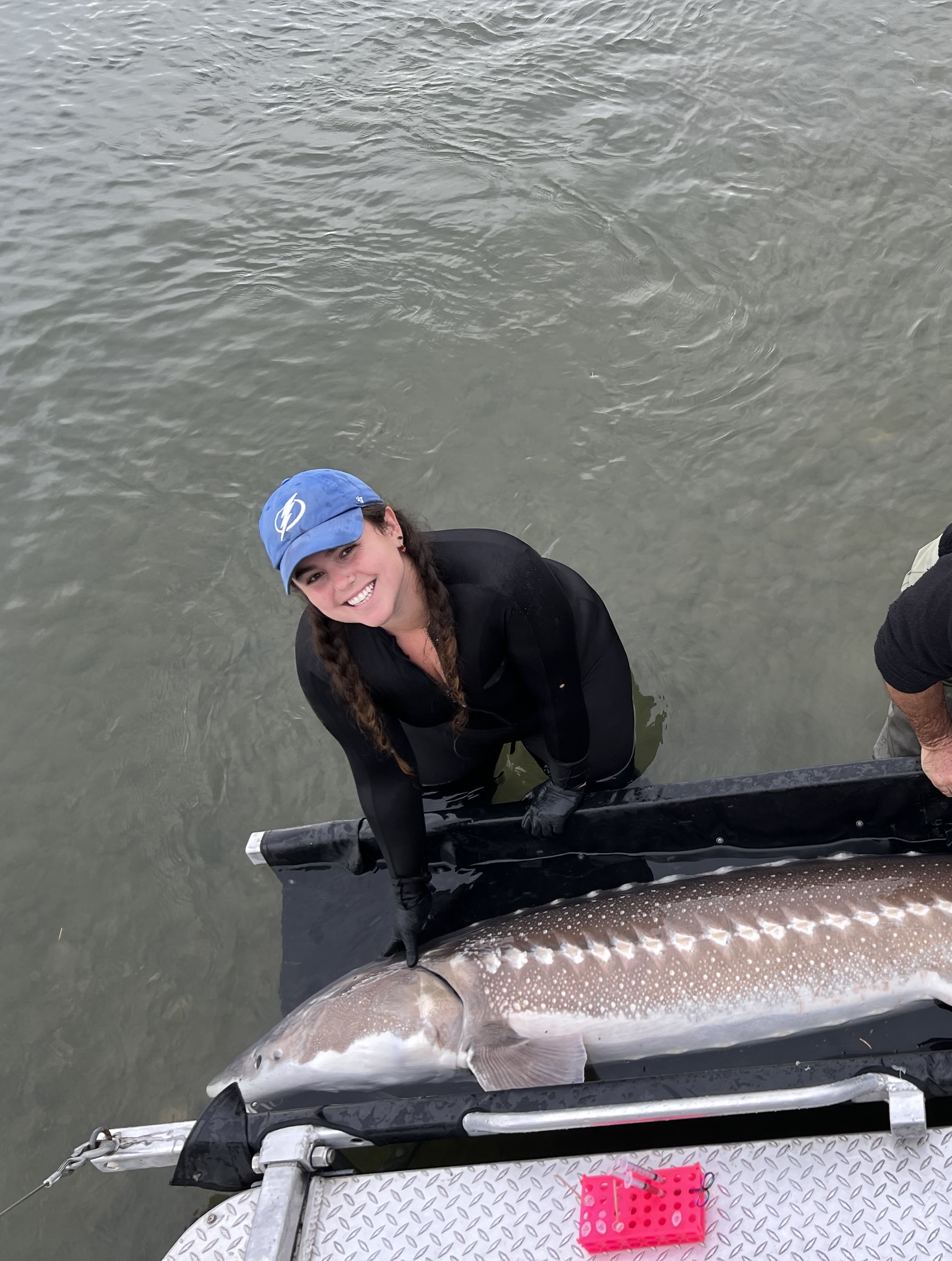
Oscar is assessing juvenile White Sturgeon movements in the lower Fraser River using acoustic telemetry. These data will determine the habitat use and early-life feeding habits of these reclusive young fish, which have been reported in decreasing numbers for more than a decade.

Research experience & interests

Oscar completed his undergraduate degree at Dalhousie University, where he had the opportunity to conduct two separate research projects — one field-based and one in-lab. He assessed the abundance and distribution of juvenile Atlantic salmon in the remote highlands of Cape Breton, an area where data on at-risk salmon populations are particularly scarce. Separately, he collaborated on an experiment investigating the short-term recovery of juvenile brook trout after implantation of a novel microacoustic tag. The former project is currently under review for publication; the latter has been published in the Journal of Fish Biology.

Over the next couple of years, Oscar is looking forward to using field methods and analytical tools that are new to him and exploring an ecosystem entirely different from the small streams in which he was trained in Nova Scotia.

Scholarships supporting this work

  • NSERC Canada Graduate Scholarship – Master's (CGS M)

Connect

Publications

See Oscar's Google Scholar profile ↗ for the latest publications.
← Back to Lab Members
Anders Hoffmann
MSc Student

Anders Hoffmann

Studying recovery of Eulachon (Thaleichthys pacificus), a Pacific coast forage fish in major decline, using acoustic telemetry and field respirometry to identify spawning habitats, mortality drivers, and migration strategies.

Thesis project

Anders is studying the recovery of Eulachon (Thaleichthys pacificus), a Pacific coast forage fish in major decline. Using acoustic telemetry and field respirometry, his work aims to identify spawning habitats, mortality drivers, and migration strategies for the species.

Background & research interests

For his undergraduate honours research, Anders used acoustic telemetry to study behavioural thermoregulation and oversummering habitat use in sea-run brook trout (Salvelinus fontinalis) in Nova Scotia. He also assisted with various tracking projects across the Maritimes during his BSc.

Anders is passionate about understanding the drivers of aquatic animal movement via acoustic telemetry to inform management decisions for species at risk from climate change and anthropogenic effects.

Scholarships supporting this work

  • NSERC Canada Graduate Scholarship – Master's (CGS M)

Connect

← Back to Lab Members
Kasper Giesbrecht
Undergraduate Thesis Student

Kasper Giesbrecht

Examining the physiological performance and thermal tolerance of coho and Chinook salmon parr in wildfire-affected streams.

Thesis project

Kasper's project focuses on the physiological performance and thermal tolerance of coho and Chinook salmon in the parr stage, following exposure to wildfire. Parr oxygen consumption will be measured using respirometry in low-order streams impacted by wildfire and compared to similar streams that are unaffected. Observing the response of fish during this stage will highlight the effects of fire on freshwater fish physiology and advance understanding of how wildfire affects a critical freshwater life stage.

Research experience & interests

Kasper is passionate about disturbance ecology. He previously worked on a research project observing the impact of proximity to public trails on fungal and bacterial abundance in the soils of Pacific Spirit Park (Vancouver, BC). That project was completed through UBC's FRST 399 — Introduction to Research Methods course and used lab equipment from the Hamelin Lab to culture and identify bacterial and fungal colonies extracted from soil samples.

Understanding freshwater disturbance to inform conservation is particularly important to him, leading him to volunteer with the Bowker Creek Initiative — aiding in riparian restoration efforts and documenting the recovery of native plant and aquatic invertebrate communities in Bowker Creek, Victoria BC.

Connect

Publications

Publications will appear here as Kasper's research moves toward publication.
← Back to Lab Members
Rebecca McCracken
Undergraduate Thesis Student

Rebecca McCracken

Investigating the frequency, duration, and environmental drivers of ocean entry by White Sturgeon (Acipenser transmontanus) along the Pacific coast.

Thesis project

Rebecca's thesis project investigates the frequency, duration, and environmental drivers of ocean entry for White Sturgeon (Acipenser transmontanus). While often viewed as a freshwater species, some individuals appear to enter the marine environment for unknown reasons. Her research asks: how often do White Sturgeon enter the ocean, how far into marine habitats do they go, and what environmental factors could trigger these transitions?

The project draws on detections from researchers across the Pacific coast and the Ocean Tracking Network (OTN) database to synthesize broad-scale telemetry data. Using detections from marine receivers, Rebecca will quantify time spent in saltwater and analyze depth-sensor data to understand sturgeon behaviour in the Pacific. This research is important for identifying sturgeon habitat and understanding how this species uses the coast.

Research experience & interests

Rebecca's research interests include movement ecology, habitat resilience, and integrating citizen science into conservation management. She is particularly interested in projects that use data synthesis to address missing-link questions in a species' life history.

While her formal research experience is growing, Rebecca has built a strong technical and field-based foundation through outreach and data analysis roles. As a Data Recoverer with the Living Data Project (CIEE), she works on reconstructing legacy ecological datasets and engaging with scientific archives. Through long-term volunteer work with the Vancouver Avian Research Centre (VARC) and Let's Talk Science, she has gained extensive experience in ecological monitoring and in translating complex data for public audiences, from young children to adults. She works extensively with youth and leads expeditions teaching outdoor skills and natural history. Her background as a Cadet Instructors Cadre Officer has provided a strong foundation in field logistics, risk management, and environmental stewardship.

Scholarships supporting this work

  • K.J. Roller Sopron Scholarship in Forestry, UBC (2025–2026)
  • Dean of Forestry Award, UBC (2025–2026)
  • Charles and Jane Banks Award, UBC (2025–2026)
  • Cooperative Housing Federation of BC Student Award (2024–2028)
  • Rogers Future Leader Award (2023–2027)

Connect

Publications

Publications will appear here as Rebecca's research moves toward publication.
← Back to Lab Members
SW
USRA Student

Sage Wingerchuk

A marine biologist by training broadening into freshwater systems, Sage is contributing to research on fire retardants, salmon physiology, and juvenile white sturgeon telemetry in the Fraser River.

Research in the lab

As an NSERC USRA student, Sage is supporting several ongoing projects in the Aquatic Conservation Lab, including a literature review on the impacts of fire retardants on aquatic biota, work on the physiological responses of coho and Chinook salmon to wildfire, and juvenile white sturgeon telemetry in the Fraser River. She is excited to contribute to research that will aid in our understanding of the threatened white sturgeon, and looks forward to learning the logistics of fish field research, gaining skills such as fish tagging, and strengthening her data analysis abilities.

Previous research experience

Sage received her BSc in Honours Marine Biology from UBC, with a particular interest in seaweed science. Her honours thesis examined morphological differences and competition between the microscopic life stages of two kelp species found in British Columbia and is currently being prepared for publication. She also completed a research project at Bamfield Marine Sciences Centre focused on the impact of the invasive seaweed Sargassum muticum on intertidal algal biodiversity.

Prior to joining the lab, Sage worked for one year as a research assistant in a plant pathology lab at the Agassiz Research and Development Centre, where she assisted with and oversaw several experiments involving plant pathogenic fungi and bacteria.

Research interests

With her previous research experience grounded in the botanical side of aquatic and terrestrial systems, Sage is broadening her knowledge of fish and freshwater ecosystems. She is interested in applied conservation research that bridges field and lab work to inform management of threatened species.

Scholarships supporting this work

Sage's research is supported by a Natural Sciences and Engineering Research Council of Canada (NSERC) Undergraduate Student Research Award (USRA).

Publications

Honours thesis currently being prepared for publication.
← Back to Lab Members
CY
USRA Student

Catherine Yap

Bio coming soon. Catherine joined the Aquatic Conservation Lab in 2026.

Full bio coming soon. Morgan will share more about Catherine's research, education, and interests here.

← Back to Lab Members
Isabelle Roth
Alumna

Isabelle Roth

Undergraduate thesis on seasonal habitat use and movement patterns of burbot in the St. Mary's Watershed, East Kootenay region of British Columbia.

Undergraduate thesis

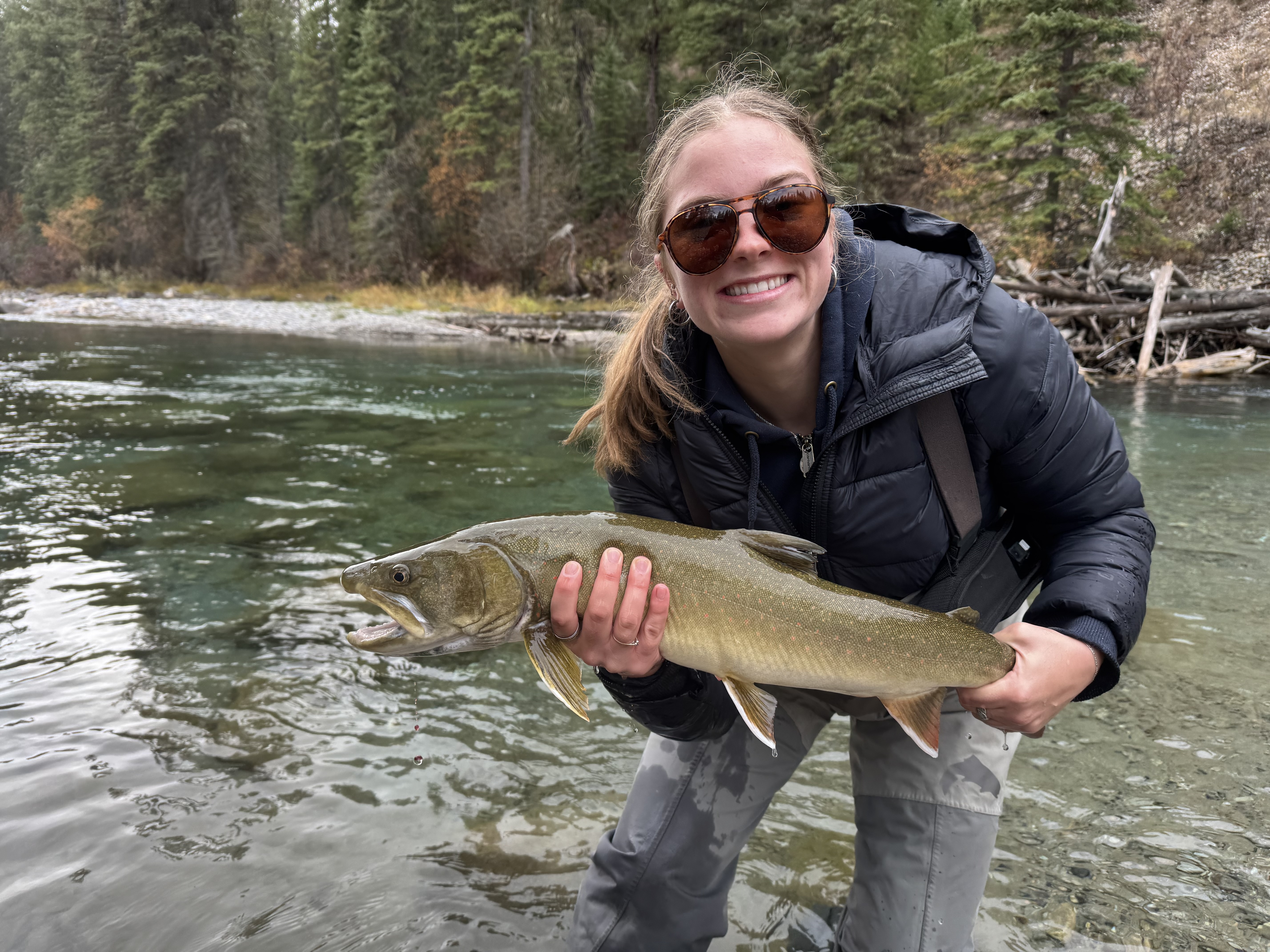
Isabelle's undergraduate thesis focused on the seasonal habitat use and movement patterns of burbot in the St. Mary's Watershed. The St. Mary's Watershed is located in the East Kootenay region of British Columbia and acts as a tributary habitat for the Upper Kootenay population of burbot. Protecting seasonally important habitat in the St. Mary's Watershed will be essential to support the long-term recovery of burbot in the Upper Kootenay River system.

Connect

Four-Legged Members

The lab's resident dogs — keeping morale high and reminding us to take walks.

← Back to Four-Legged Members
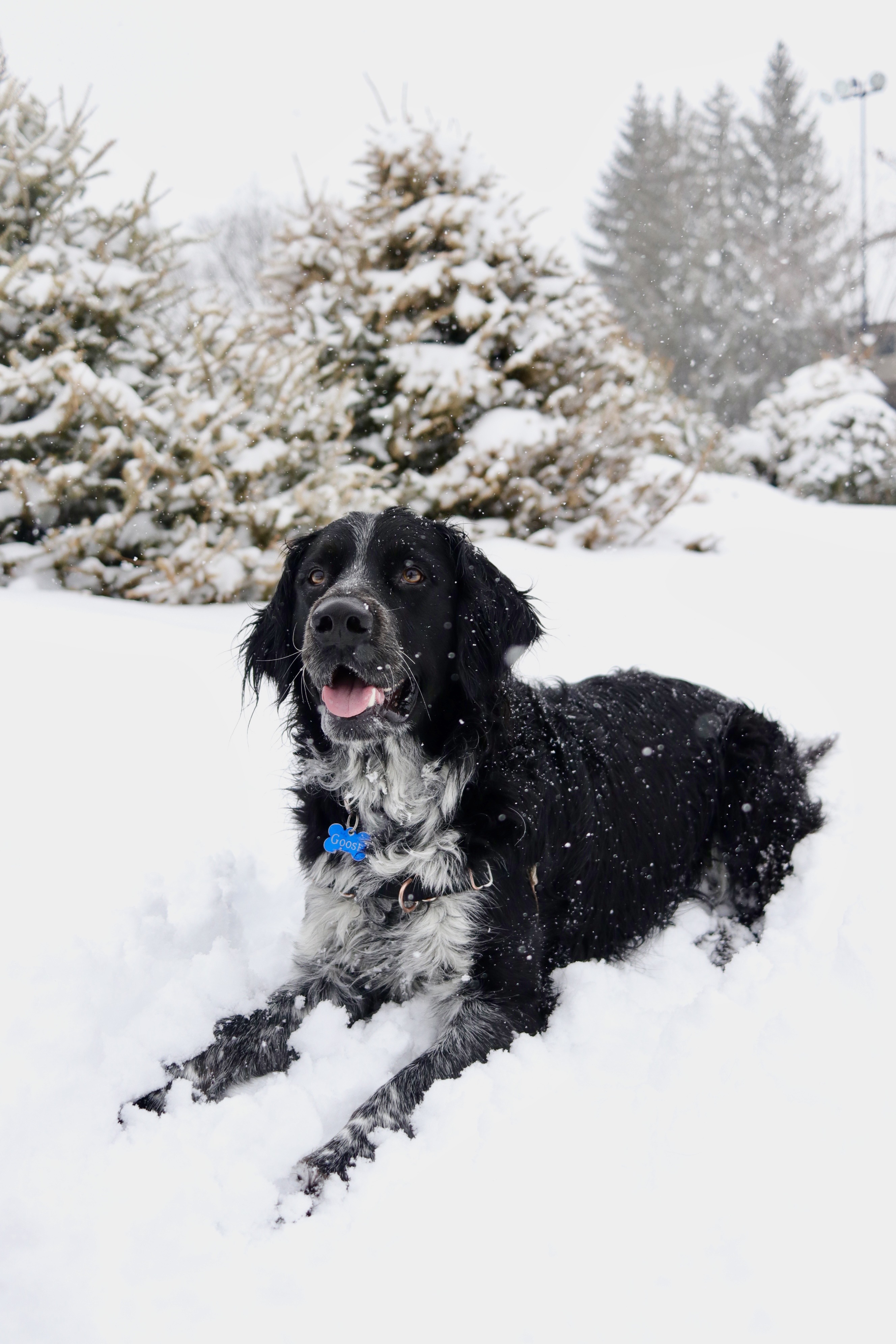
Goose, the lab dog
Lab Dog

Goose

Morgan's Springer-Border mix and one of the lab's resident pets.

Goose is a Springer Spaniel × Border Collie mix and one of the lab's resident pets. He keeps morale high, reminds us to take walks, and is a regular fixture around UBC campus — say hello if you spot him! He may try to take your lunch, but he loves pets in return.